













For the curious
See where your reasoning falls on a scale with a mean of 100, with the margin of error in plain view.
Menu
Start the testOnline IQ test · 95% range
Reasoning questions in 6 areas, with no time limit per question. You answer at your own pace and, at the end, see your estimated IQ with the 95% confidence range.
Test sample: a practice question like the ones in the test, question 12 of 40, with no time limit per question, and the 6 areas of the test with the number of questions in each.
How the test works
No sign-up to start. Your result appears at the end, after the last question.
Matrices, series, rotation, logic, verbal and working memory. Each question has one correct answer.
Read calmly. There's no limit per question, and the clock only shows the time elapsed.
After question 40: your estimated IQ, the likely range at 95% confidence and your correct answers by area.
How many questions per area
40 questions in total. 37 count toward the result: in working memory, 3 screens are only for memorizing and come back later as a question.
Start the testTry it
They're the same kind as the questions in the test. Three questions don't measure IQ: this is just to get to know the format.
Question 1 of 3Matrices
Turn on JavaScript to answer the practice questions.
Choose an answer. In the test there's no time limit per question.
Questions like these · no time limit per question
Figures about the test, not about users.
The sample member area, in five screens: the report with the estimated IQ (110, sample), the 101 to 119 range at 95% confidence, the curve and the correct answers in the 6 areas; the daily training of 10 items at your level; the six games; your progress between one test and the retest; and the certificate with a verification code.
In your member area
The PDF report with a review of every question (your answer, the correct one and the explanation), training at your level, the games, your progress and the tests beyond IQ. Open each tab.
Results report
Ana Sample · Sep 30, 2026
Correct answers by area
An educational estimate of reasoning. Not a consultation with a psychologist.Page 1 of 6
Today's trainingQuestion 4 of 10
What comes next? 6, 8, 13, 21, 32, …
Your level in each area sample
Get it right and that area's level goes up. Get it wrong and it goes down. From 1 to 5.
Each game tells you what it trains.
See the gamesFive traits sample
Learning profile
CuriosityLove of learningCritical thinking
Big Five IPIP-50 (Goldberg, 1992) and IPIP-VIA scales, in the public domain.
Career Map
An inventory of work interests for self-knowledge. You say how much you enjoy work activities, what you value and where you already feel capable. The map shows your six interest types and occupations to explore.
The six types of Holland’s model, one by one, and the three letters that weigh most in your profile.
Each occupation shows what it has in common with you and the preparation it usually takes, from a technical course to a graduate degree. The decision stays yours.
A quadrant separates what you enjoy and already do with confidence from what you enjoy but haven’t tried yet, with small ideas to experiment.
It’s self-knowledge; for career counseling, talk to a licensed psychologist.
Features
Each feature has a page that shows how it works, with no fine print.
Your estimated IQ with the 95% range, the curve, the 6 areas, a review of every question and one worked question from each area.
See the featureWith your name, estimated IQ, range and date. Anyone can check it with the code.
See the feature10 exercises a day across the 6 areas, from level 1 to 5, that go up when you get them right.
See the featureSudoku, Word search, Sun and Moon, Colors, Sequence and 2048, with your best score saved.
See the featureBig Five (IPIP-50) and a profile of curiosity, love of learning and critical thinking.
See the featureA parallel form, with different questions and the same yardstick, 30 days after your first test.
See the featureWho it's for
See where your reasoning falls on a scale with a mean of 100, with the margin of error in plain view.
Exercises in all 6 areas, from level 1 to 5, that move up as you get them right.
A retest with new questions on the same scale, 30 days after the first.
Job screening, school admissions or verdict. It's an educational estimate, not a consultation with a psychologist.
A historical curiosity
In 1926, psychologist Catharine Cox read the biographies, letters and school records of historical figures and estimated the IQ each of them would have shown in their youth. See where eight of them fall on the scale.
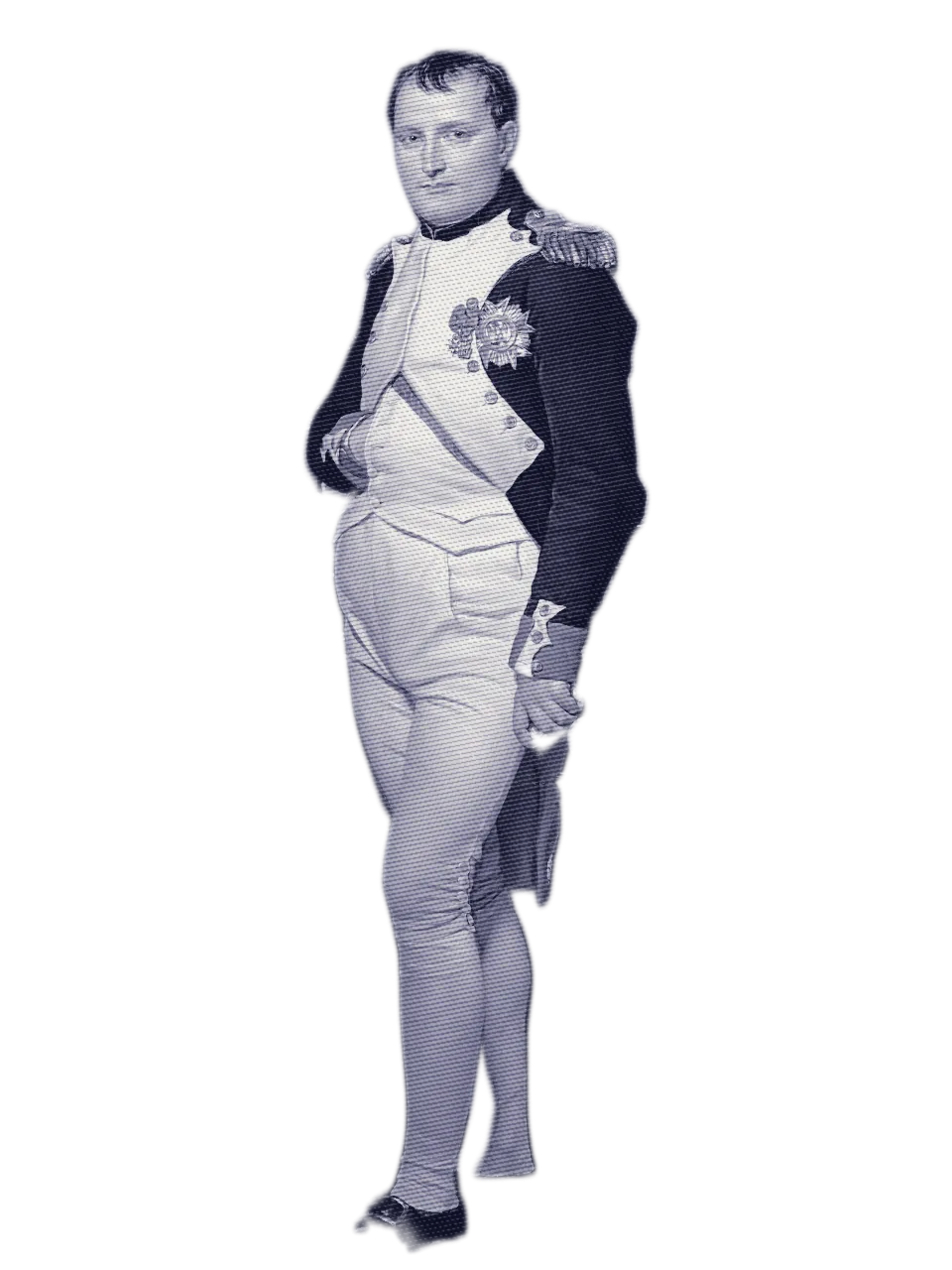
How the case study opens: Emperor of the French
Portrait: Jacques-Louis David, 1812 · public domain

How the case study opens: A Celebrated German Composer of Dutch Descent
Portrait: Josef Kriehuber, 1841 · public domain

How the case study opens: The Sixteenth President of the United States
Portrait: studio of Mathew Brady, 1864 · public domain
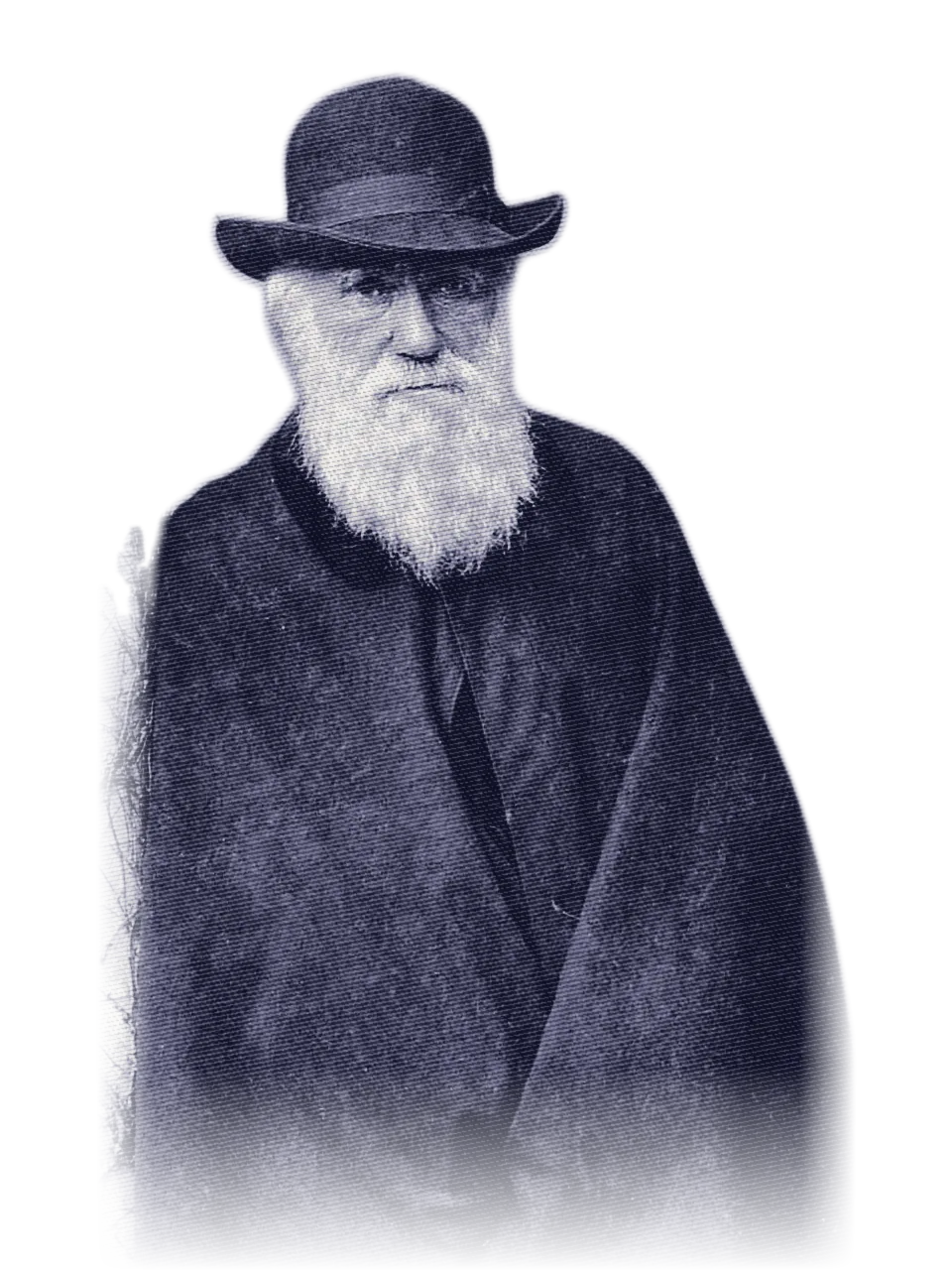
How the case study opens: A Celebrated English Naturalist
Portrait: Elliott & Fry, 1881 · public domain

How the case study opens: A Famous Italian Painter, Architect, Sculptor, Scientist
Portrait: Artus · public domain
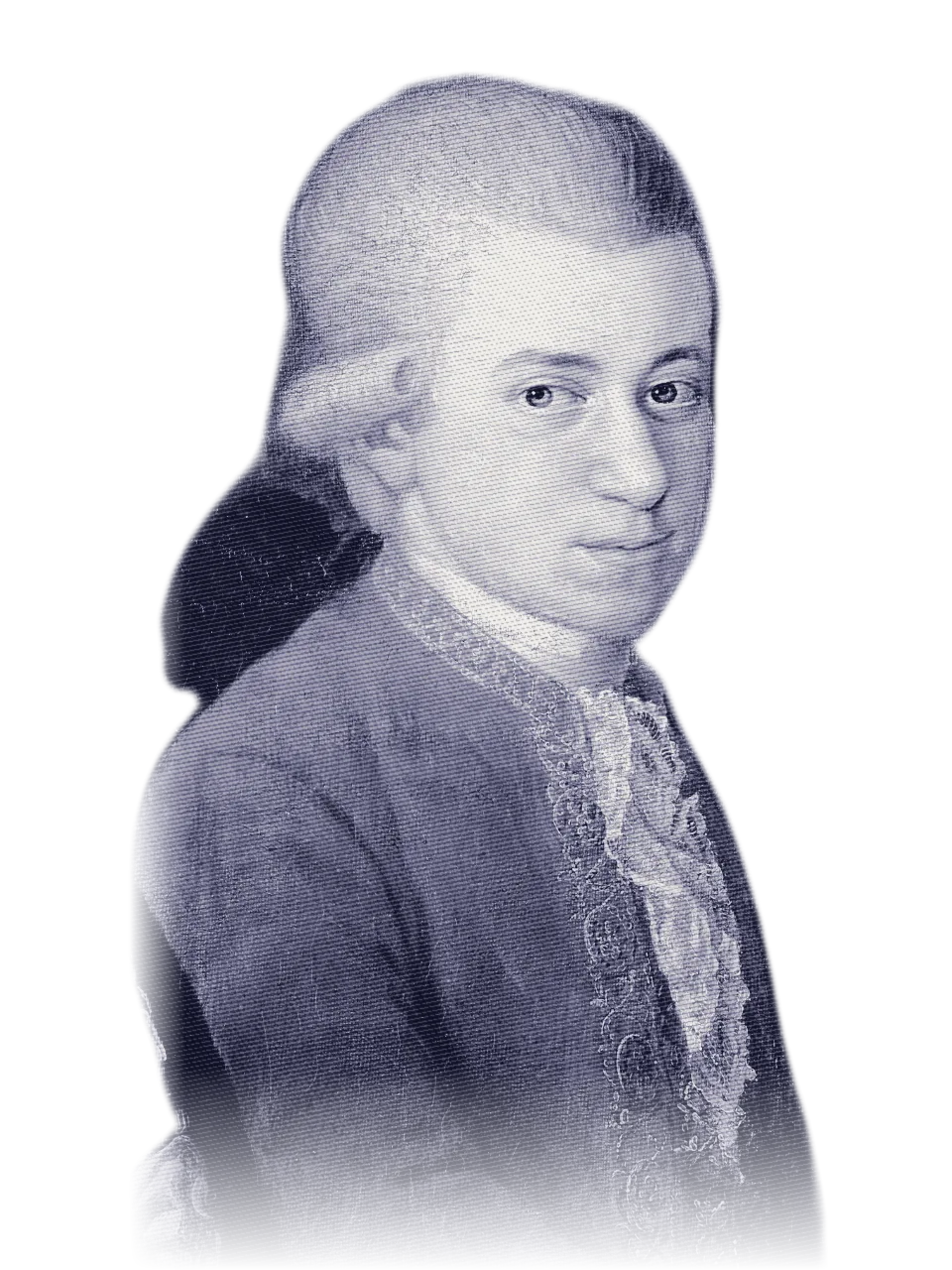
How the case study opens: A Celebrated Austrian Composer
Portrait: attributed to Johann Nepomuk della Croce, 1780s · public domain
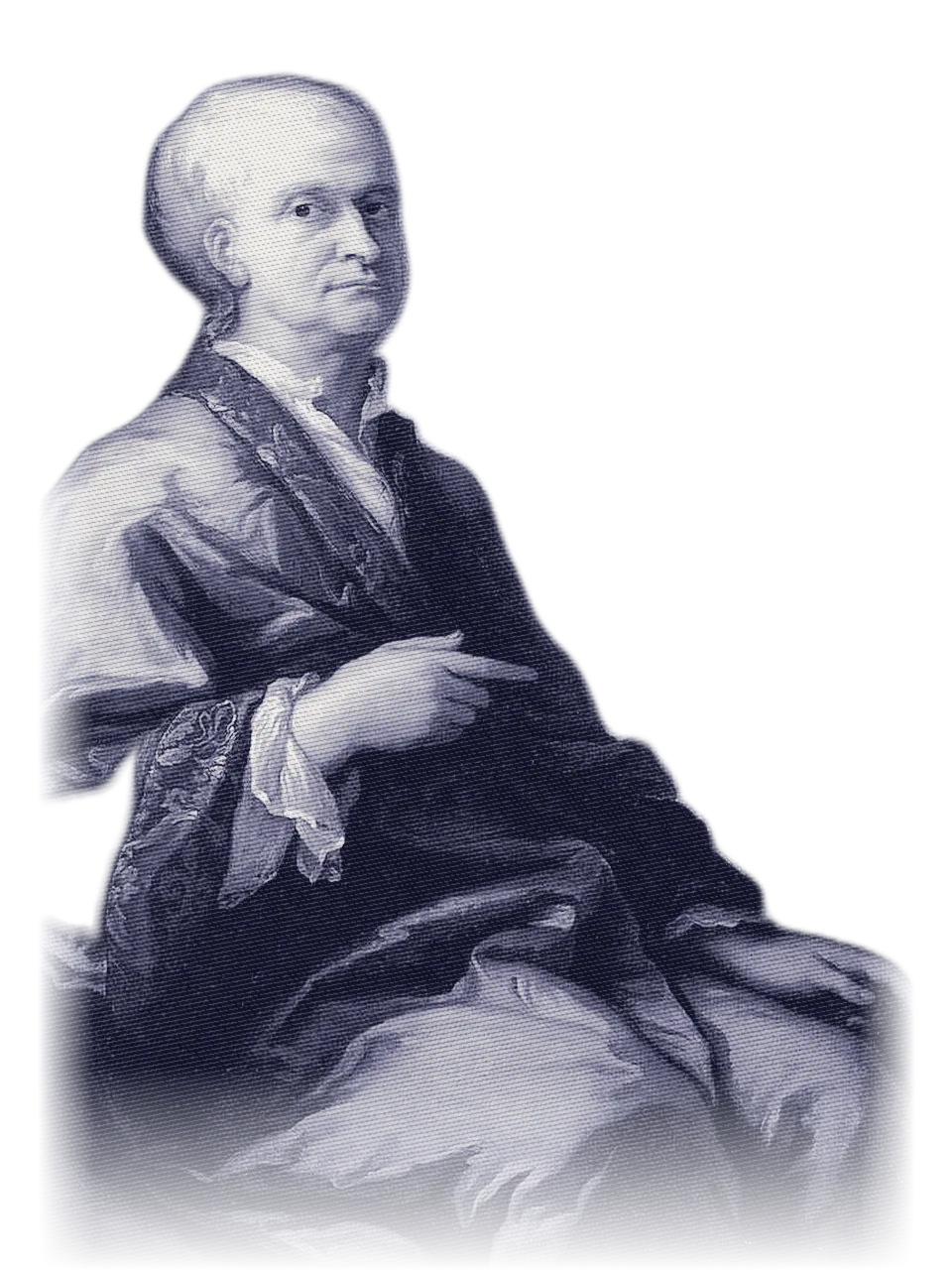
How the case study opens: A Famous English Mathematician and Natural Philosopher
Portrait: James Thornhill, 1709–1712 · public domain
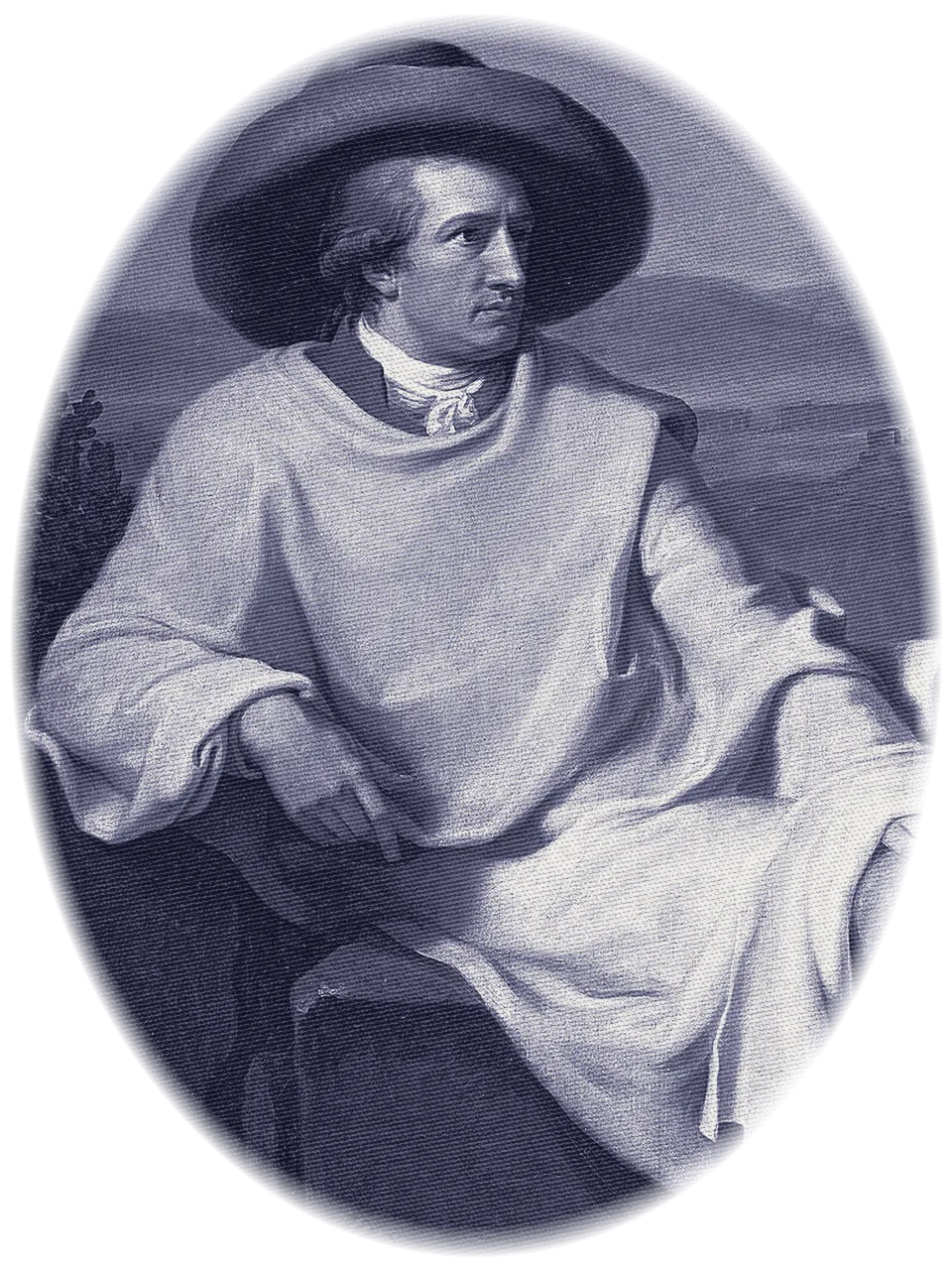
How the case study opens: One of the Greatest Poets of Any Age or Country
Portrait: Johann Heinrich Wilhelm Tischbein, 1787 · public domain
Hover, tap or use the arrow keys to see each figure.Swipe to see all eight.
Cox (1926) estimates: retrospective approximations, not real measurements. Source: Cox, C. M. (1926). Genetic Studies of Genius, Vol. II. Stanford University Press. How Cox arrived at these numbers
Method
Five choices behind the number, each with its source in the open.
Every question has a known difficulty. Your score is the ability that best explains your pattern of right and wrong answers, not the percentage.
Item Response Theory. The estimate is the ability that best explains the answers, given each question's difficulty and discrimination.
How we calculate it, in detailThe structure follows ICAR, a public-domain battery administered online to almost 97,000 people (Condon and Revelle, 2014). The questions are our own.
Condon, D. M., & Revelle, W. (2014). The International Cognitive Ability Resource. Intelligence, 43, 52-64.
How the questions were writtenOn a scale with a mean of 100 and a standard deviation of 15. The norms are provisional and will be recalculated with real answers.
Your result is compared with people in your age group. About 2 in 3 people score between 85 and 115.
How the norms are calculatedWe show the 95% range next to the number, because fatigue, haste and distraction affect any test.
It's an estimate, with a margin of error: that's why the range appears next to the number, in the report and on the certificate.
Why a rangeOnly you see your result. You can delete your account and your data whenever you want.
The privacy policy says what we keep and why. Deleting your account erases your data.
Privacy policy How to delete your accountAn educational estimate of reasoning. It is not a consultation with a psychologist and must not be used for job, school or health decisions.
Proof
Cancel whenever you want, in 2 clicks, or with just your email and a code.
How to cancelWithin 7 days of purchase, in full.
Refund policyTime, payment, results and privacy.
About 20 minutes. There is no time limit per question; the timer only shows your total time.
Taking the test is free. The full report is part of a subscription with 7 days of access and cancellation anytime, in 2 clicks; the payment screen shows today's amount, and the renewal terms are in the Terms, linked right below the payment box.
It’s an estimate with a margin of error, which is why we show the 95% confidence range next to the number. Tiredness, rushing and distraction change the result of any test.
No. It is an educational reasoning test. Psychological testing can only be done by a psychologist, with approved instruments.
On the scale we use, the mean is 100 and about 2 in 3 people score between 85 and 115.
In your member area, under Account, anytime, in 2 clicks. Or on the How to cancel page, with just your email and a code.
Yes, a full refund within 7 days of purchase. See the Refund policy.
Yes. Only you see them, unless you choose to share. You can delete your account and data whenever you want.
Yes, with a parallel form with different questions, so you can compare without memorizing. The retest opens 30 days after your first test, that is, after the first renewal of your subscription.
Your result can vary with sleep, focus and practice with this kind of problem. Practice makes you more familiar with these formats; we don't promise an IQ increase.
Articles
How the result is calculated, what it tells you and what it doesn't.
Start now. At the end, your estimated IQ with the 95% range stays in your member area.
Start the testTaking the test is free · IQNorth is an educational reasoning test: the result is an estimate, with a margin of error, for personal and educational use.